
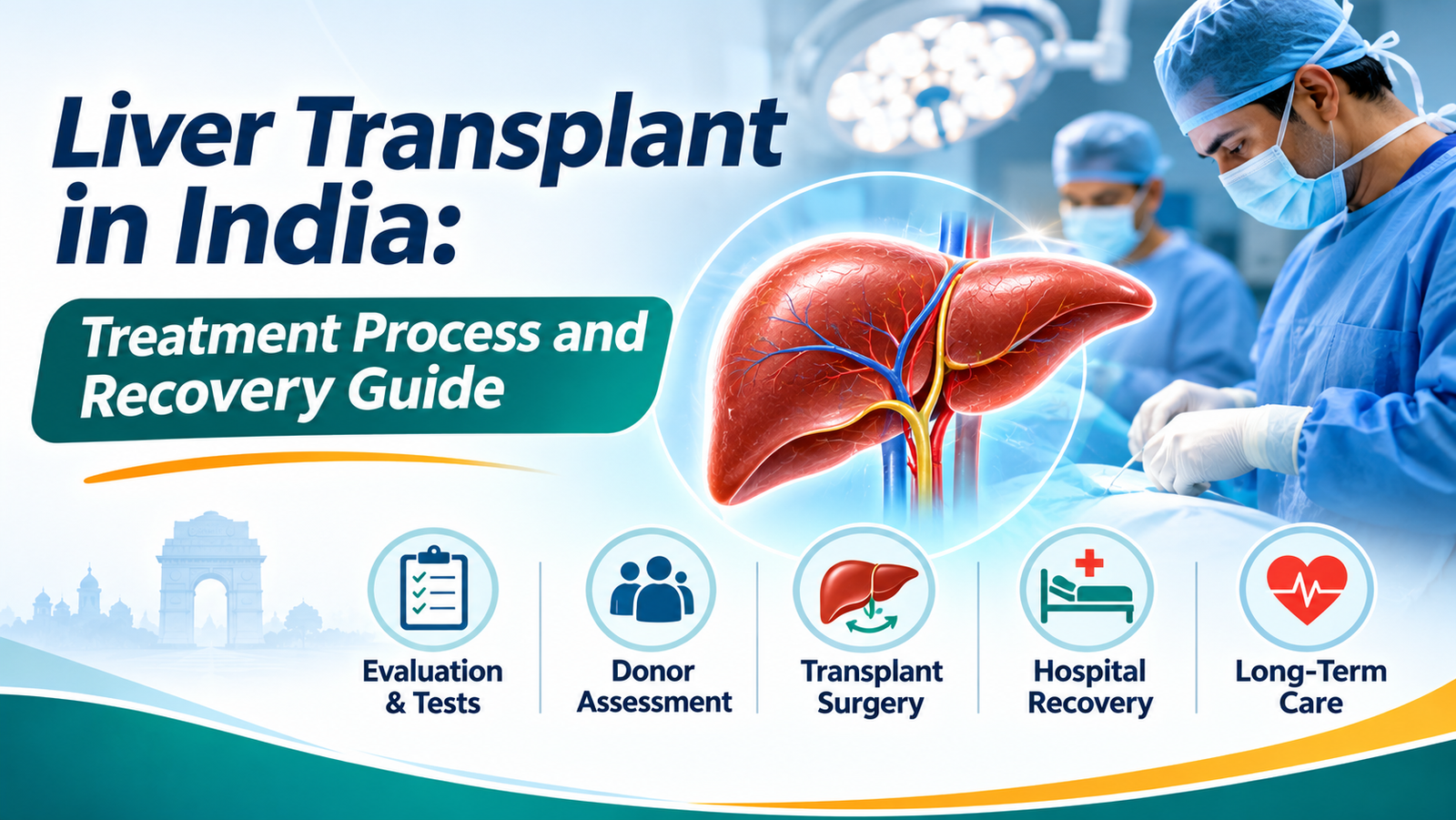
When liver disease reaches an advanced stage, everyday activities can become difficult, and medicines may no longer be enough to manage the condition. For some patients, a liver transplant in India may become an important treatment option. India has specialised transplant centres where patients can receive medical evaluation, surgical treatment and long-term follow-up care. Understanding the transplant process, donor requirements and recovery period can help patients and their families prepare for this major medical decision.
What Is a Liver Transplant?
A liver transplant is a major surgical procedure in which a diseased or damaged liver is removed and replaced with a healthy liver or a suitable portion of a healthy liver from a donor.
The liver performs several important functions, including removing toxins from the blood, producing bile, processing nutrients and supporting metabolism. When it becomes severely damaged, these functions may no longer work properly.
A transplant may be considered when the liver develops irreversible damage or reaches advanced liver failure. The decision depends on the patient's medical condition, overall health and suitability for surgery.
When Is a Liver Transplant Needed?
Doctors may recommend a liver transplant when other treatments are no longer sufficient to manage serious liver disease.
Some common conditions that may lead to a liver transplant include:
1. Liver Cirrhosis
Cirrhosis occurs when healthy liver tissue is replaced by scar tissue. This damage affects the liver's ability to function normally. Advanced cirrhosis may lead to complications such as fluid accumulation, internal bleeding and confusion.
2. Liver Cancer
Certain patients with liver cancer may be considered for transplantation if the tumour meets accepted medical criteria and the disease has not spread beyond the limits suitable for transplant.
3. Acute Liver Failure
Acute liver failure is a serious condition in which the liver suddenly loses much of its normal function. It may develop due to infections, medication toxicity or other causes and can require urgent specialist assessment.
4. Chronic Liver Diseases
Some long-term liver conditions can progressively damage the organ. Depending on the severity and complications, a transplant may become necessary.
Not every patient with liver disease requires a transplant. A specialist team evaluates the condition before recommending surgery.
Types of Liver Transplant in India
There are two main types of liver transplantation.
1. Living Donor Liver Transplant
In a living donor liver transplant, a healthy and medically suitable person donates a portion of their liver to the patient.
The donor's remaining liver and the transplanted portion can grow and regain much of their volume over time. However, liver donation is a major operation and involves risks. The donor must undergo a separate and detailed medical assessment to ensure their safety.
In India, living donor transplantation requires compliance with applicable organ transplantation laws and authorisation procedures.
2. Deceased Donor Liver Transplant
In a deceased donor liver transplant, the liver is obtained from a person who has been declared brain-stem dead according to applicable medical and legal requirements and whose family has provided the required consent.
The patient must be registered through the authorised transplant system and placed on the relevant waiting list. Organ allocation depends on medical urgency, suitability, availability and applicable allocation policies.
The transplant team explains which option may be appropriate for the patient.
Liver Transplant Treatment Process in India
A liver transplant involves several stages. Each stage is important for patient safety and successful medical management.
Step 1: Initial Consultation and Medical Evaluation
The process begins with a consultation with a liver specialist or transplant surgeon.
The medical team reviews the patient's medical history, current symptoms, previous treatments and existing health conditions.
The evaluation may include:
-
Liver function tests and other blood investigations
-
Ultrasound, CT scan or MRI
-
Heart and lung assessment
-
Kidney function tests
-
Infection screening
-
Assessment of liver disease severity
-
Evaluation of other medical conditions
These investigations help doctors understand whether the patient is suitable for transplantation and identify possible risks.
Step 2: Donor Identification and Assessment
For a living donor transplant, a potential donor may be identified from the patient's family or other legally eligible individuals.
The donor undergoes detailed medical investigations, which may include blood group testing, liver imaging, liver function tests and general health assessment.
Doctors also examine the donor's liver anatomy and the amount of liver tissue that can be safely donated.
The donor's safety is a priority. Donation should never be treated as a routine procedure, and the donor must receive independent medical counselling and assessment.
Step 3: Medical and Legal Approval
Before transplantation, the hospital completes the required medical and legal formalities.
For living donor transplantation, the relationship between the donor and recipient and the applicable authorisation requirements must be verified.
For deceased donor transplantation, patient registration and organ allocation follow the relevant government and transplant authority procedures.
India's National Organ and Tissue Transplant Organisation (NOTTO) coordinates important aspects of the national organ donation and transplantation system.
Step 4: Liver Transplant Surgery
Once the patient and donor are approved and all arrangements are complete, the transplant surgery is performed.
During the operation:
-
The patient receives general anaesthesia.
-
The damaged liver is removed.
-
The donated liver or suitable liver portion is prepared and implanted.
-
Blood vessels are connected to restore blood circulation.
-
The bile duct is connected to allow bile drainage.
-
The surgical team checks the functioning and blood supply of the transplanted liver.
The duration and complexity of surgery depend on the patient's condition, transplant type and surgical factors.
Step 5: Intensive Care Monitoring
After surgery, the patient is shifted to the Intensive Care Unit (ICU).
Doctors and nurses closely monitor vital signs, liver function, blood circulation, kidney function and other important parameters.
Blood tests and imaging may be performed to check the transplanted liver and identify complications early.
Once the patient's condition becomes stable, they are gradually shifted to a regular hospital room.
Recovery After Liver Transplant Surgery
Recovery is an important part of the transplant journey. It takes time, regular medical supervision and cooperation from the patient and family.
The recovery period varies depending on the patient's health before surgery, age, complications and response to treatment.
1. Initial Hospital Recovery
The first few days after surgery are generally spent under close medical supervision.
Patients may initially receive fluids and medicines through intravenous lines. Doctors gradually introduce food and encourage movement as the patient's condition improves.
Hospitalisation may last around one to two weeks in uncomplicated cases, but some patients require a longer stay.
2. Recovery at Home
After discharge, patients must follow the instructions provided by their transplant team.
Important precautions include:
-
Take all prescribed medicines on time.
-
Attend scheduled follow-up appointments.
-
Maintain proper hygiene.
-
Follow the recommended diet.
-
Avoid strenuous physical activities until medically cleared.
-
Keep the surgical wound clean and follow wound-care instructions.
-
Report unusual symptoms to the transplant team.
Patients travelling from another country may need to remain near the transplant hospital for the initial follow-up period, as advised by their doctors.
3. Long-Term Recovery
Returning to everyday activities takes time. Some patients gradually resume normal routines over several months, depending on their recovery and medical advice.
Regular blood tests and follow-up consultations remain essential even when the patient feels healthy.
Life After a Liver Transplant: Important Precautions
A liver transplant can offer patients an opportunity to improve their quality of life, but it also requires lifelong medical care.
Take Anti-Rejection Medicines
After transplantation, patients usually need immunosuppressant medicines to reduce the risk of the immune system attacking the transplanted liver.
These medicines must be taken exactly as prescribed. Patients should never stop or change their dosage without consulting their transplant specialist.
Follow a Healthy Diet
A balanced diet supports recovery and overall health.
Patients may receive individual dietary recommendations based on their medical condition. Food safety is particularly important because anti-rejection medicines can increase the risk of infections.
Maintain Personal Hygiene
Patients should follow proper handwashing and food hygiene practices. They should also discuss vaccination and infection-prevention measures with their medical team.
Attend Regular Check-Ups
Follow-up visits help doctors monitor liver function, medicine levels and possible complications.
Even if the patient feels well, skipping appointments or blood tests can create avoidable risks.
Possible Risks and Complications of Liver Transplant
Like other major operations, liver transplantation carries certain risks. These may vary from patient to patient.
Possible complications include:
-
Infection
-
Bleeding
-
Blood vessel complications
-
Bile duct problems
-
Rejection of the transplanted liver
-
Kidney-related complications
-
Side effects of immunosuppressant medicines
The transplant team discusses these risks before surgery and monitors the patient closely afterwards.
Early medical attention is important if the patient develops fever, jaundice, unusual abdominal pain, persistent vomiting or other concerning symptoms.
Why Do International Patients Consider India for Liver Transplant?
India is considered by many international patients who are exploring treatment options outside their home countries.
Some factors that may influence their decision include:
-
Availability of specialised transplant hospitals
-
Access to experienced multidisciplinary medical teams
-
Diagnostic and surgical facilities
-
Living donor and deceased donor transplant programmes
-
Patient coordination and international patient support services
-
Access to post-transplant monitoring and follow-up care
However, hospital facilities, doctor experience, treatment costs and waiting times can differ significantly. Patients should independently verify the credentials of the transplant centre and discuss their individual treatment plan before making a decision.
Frequently Asked Questions (FAQs)
1. How long does liver transplant surgery take?
The duration depends on the patient's medical condition, transplant type and surgical complexity. The transplant team can provide a more specific estimate after evaluating the case.
2. How long does recovery take after a liver transplant?
Initial hospital recovery may take around one to two weeks in uncomplicated cases. Returning to regular activities can take several months. Recovery varies between patients.
3. Can a living person donate part of their liver?
Yes. A medically suitable living donor may donate a portion of their liver. However, the donor must undergo detailed medical and legal evaluation before approval.
4. Will patients need medicines after a liver transplant?
Yes. Most liver transplant recipients require long-term, usually lifelong, immunosuppressant medicines to reduce the risk of organ rejection.
5. Can international patients receive a liver transplant in India?
International patients may explore treatment in India, subject to medical suitability, applicable legal requirements, donor eligibility and transplant authority approvals. The hospital's international patient department can explain the process.
6. Is liver transplant a permanent cure?
A liver transplant can treat certain forms of advanced liver failure, but it does not guarantee a permanent cure. Patients need lifelong follow-up, medication and medical supervision.
Conclusion
A liver transplant in India involves much more than surgery. It requires careful patient evaluation, donor assessment, legal approvals, specialised surgical care and long-term monitoring.
Patients and families should understand the entire treatment journey before making a decision. Choosing an appropriately authorised transplant centre and following the medical team's instructions are important parts of the process.
AlBadr Cure can help international patients explore medical treatment options in India and understand the steps involved in planning their healthcare journey. Visit https://albadrcure.com/ to learn more about available medical assistance and patient support services.